
Sustainable ANC Headphones: Real-World Quiet, Not Just Hype
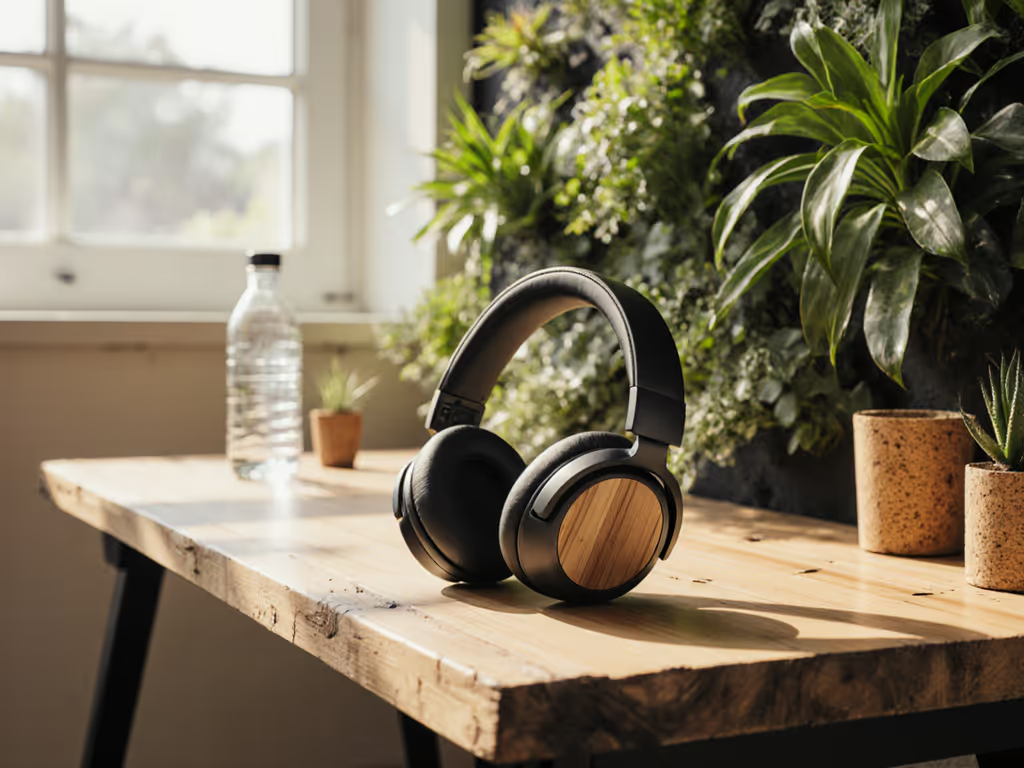
You've felt the frustration: scrolling through endless claims about the best sustainable ANC headphones only to discover they don't deliver in real life. You need true quiet on your noisy commute, during back-to-back calls, and in that never-ending open office, not lab-tested promises that vanish when you step outside. The good news? Eco-friendly noise cancelling can actually work when you understand what matters most for your specific environments. Set it once; let it disappear.
After troubleshooting hundreds of "broken" ANC headphones on windy platforms and in crowded offices, I've learned what truly separates marketing fluff from reliable quiet. Today we'll cut through noise (pun intended) with practical, environment-tested guidance that actually helps you choose wisely. For step-by-step setup that works in the real world, see our ANC settings optimization guide.
Your Sustainable ANC Headphones Questions - Answered
What does "sustainable" really mean for ANC headphones?
Let's cut through the greenwashing. True sustainability isn't just recycled packaging, it's design that minimizes the environmental impact of headphones across their full lifecycle. Look for:
- Material transparency: Brands using FSC-certified wood, recycled aluminum, and REWIND™ fabric (like organic cotton blended with recycled plastic)
- Modular design: Replaceable ear pads, batteries, or cables that extend product life
- Repairability: Available parts and documentation for common fixes
- Longevity features: 30+ hour battery life that reduces charging frequency and e-waste
Most "green" claims focus only on materials. But the biggest sustainability win comes from keeping headphones working reliably for years rather than replacing them annually. That neighbor who returned her "broken" pair? We discovered the ANC automatically disabled during calls, a hidden app setting that took 90 seconds to fix on a noisy street corner. Clear interfaces prevent unnecessary returns.
How do I know if sustainable ANC headphones will actually cancel MY noise?
ANC performance varies drastically by noise frequency, and most "eco-friendly noise cancelling" claims don't specify what gets canceled. Create your own Quiet Map:
- Identify your dominant noise sources:
- Low-frequency rumble (planes, trains): Easily canceled by most ANC
- Mid-frequency chatter (offices, cafes): Requires advanced multi-mic systems
- High-frequency screeches (brakes, wind): The hardest to cancel effectively
-
Check independent frequency response charts, not just "up to 40 dB cancellation" marketing
-
Prioritize headphones with wind sensors if you're often outdoors (they automatically adjust mic processing)
The recyclable ANC headphones that impressed me most for real-world performance use four or more microphones with adaptive algorithms that adjust to your specific environment, not just laboratory conditions. Look for models that explicitly mention wind noise reduction in their specs.
Do sustainable ANC headphones sacrifice performance for eco-credentials?
Great question, and the answer might surprise you. Forward-thinking green headphone brands are proving sustainability and performance can coexist:
- Battery life: Many eco-conscious models now exceed 30 hours (vs. 20-hour industry average), reducing charging frequency and e-waste
- Sound quality: Brands using sustainable materials often prioritize acoustic tuning with natural, non-fatiguing profiles
- Call quality: Advanced beamforming mics work better with sustainable engineering practices (less plastic resonance)
The biggest performance gap isn't between sustainable and conventional models, it's between headphones designed for real environments versus those tuned only for spec sheets.
If it adds friction, it steals your focus and time. Sustainable audio technology succeeds when it disappears into your workflow, not when it demands constant adjustment.
How can I avoid "return fatigue" when testing sustainable ANC headphones?
- Test in your actual environments, not just quiet showrooms:
- On public transit (bus/train/subway)
- In a noisy coffee shop
- Walking outdoors on a breezy day
- Run this 60-second call test:
- Make a test call while walking
- Ask the recipient: "Can you hear wind buffeting or traffic?"
- Check if your voice sounds natural (not muffled or robotic) If clear calls are a priority, see our mic clarity comparison for headsets that beat office noise.
- Verify multipoint switching between your laptop and phone during a mock meeting
The best sustainable ANC headphones work seamlessly across your daily environments with minimal setup. If you're constantly tweaking settings, you'll eventually stop using the ANC, which defeats the whole purpose. My neighbor's "broken" headphones worked perfectly once we found that one buried setting. Don't repeat that frustration.
What's the most sustainable approach to ANC headphones long-term?
True sustainability isn't just about the initial purchase. Consider:
- Long-term reliability: Models with replaceable parts (ear pads, headbands) last 2-3× longer
- Firmware stewardship: Brands that consistently improve ANC via updates without breaking features
- Battery health: Look for models that maintain 80%+ capacity after 500+ cycles
I prioritize headphones where I can check signal strength in my device settings, not hidden app menus. One less app to manage means one less friction point in your day. The environmental impact of headphones extends beyond materials to how reliably they serve you year after year.
Your Quiet, Sustainable Solution Awaits
Choosing sustainable ANC headphones shouldn't mean compromising on real-world performance. When eco-friendly noise cancelling works as promised, reducing wind roar on your commute, blocking office chatter during deep work, and keeping your voice clear on calls, it becomes invisible infrastructure for your focus and wellbeing.
The most sustainable headphones aren't just the ones made from recycled materials, they're the ones you'll actually use for years because they solve your specific noise problems without adding complexity. Technology should disappear so your focus can appear.
Set it once; let it disappear.